
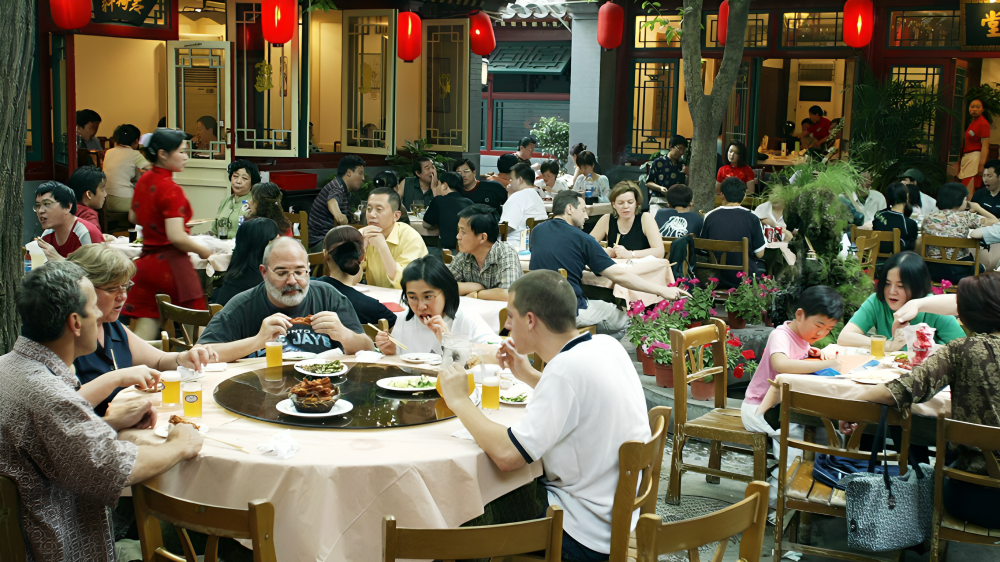
Ah, the china restaurant – it’s more than just a place to grab a bite; it’s a vibrant gateway to Chinese culture right in the heart of Germany. Imagine stepping into a world where aromatic spices dance in the air, and every dish tells a story of tradition meets innovation. For decades, the china restaurant has been weaving itself into the fabric of German dining, offering a delightful escape from the everyday. Whether you’re a local craving something exotic or a traveler seeking authentic tastes, these establishments promise an optimistic blend of hospitality and culinary adventure. Let’s dive into what makes the china restaurant such a beloved fixture, exploring its rich history, mouthwatering offerings, and much more. After all, in a fast-paced world, isn’t it refreshing to find spots that bring people together over shared meals
China Restaurant: A Culinary Bridge Between East and West
The china restaurant serves as a perfect example of how food can connect distant worlds. In Germany, these eateries aren’t just about serving chow mein or fried rice; they’re about fostering understanding between cultures. Picture this: a family in Berlin opting for Peking duck on Christmas Eve instead of the traditional goose – that’s the kind of cultural fusion we’re talking about. It’s heartening to see how the china restaurant has evolved into a symbol of inclusivity, where Germans and immigrants alike share laughs and stories over steaming plates.
What’s truly exciting is how these restaurants adapt without losing their essence. They might tweak recipes to suit local palates, but the core remains authentically Chinese. For instance, many china restaurants in Germany emphasize fresh ingredients and balanced flavors, aligning with health-conscious trends. This bridge isn’t one-way; it encourages Germans to explore Chinese festivals, like the Lunar New Year, often celebrated with special menus. In essence, the china restaurant isn’t merely a dining spot – it’s a cultural ambassador, promoting harmony in an increasingly global society.
The History of China Restaurant in Germany
Tracing back the roots of the china restaurant in Germany reveals a fascinating tale of migration and adaptation. It all began in the early 1920s, when the first Chinese eateries popped up in bustling cities like Berlin and Hamburg. The Tientsin in Berlin’s Kantstraße, opening in 1923, marked a milestone as one of Germany’s pioneering china restaurants. Back then, Chinese sailors and students brought their culinary traditions, setting up shops in port areas and university towns.
Fast forward to the post-war era, and things really took off. By 1966, around 100 china restaurants dotted the landscape, but by 1992, that number skyrocketed to over 3,000. Why the boom Well, waves of immigrants from Hong Kong and mainland China saw opportunities in the restaurant business. Many were students who opened these spots to fund their education, turning necessity into a thriving industry. Today, you’ll find a china restaurant in nearly every German city with more than 15,000 residents – talk about widespread appeal!
Interestingly, the history isn’t without challenges. During tougher times, like the Weimar Republic’s inflation or post-WWII rebuilding, these restaurants adapted by incorporating local ingredients. Yet, their resilience shines through. Now, with authentic Sichuan and Shanghai influences pairing with German wines, the china restaurant continues to evolve, promising a bright future filled with flavorful innovations.
Popular Dishes You Must Try at a China Restaurant
When you step into a china restaurant, the menu can feel like a treasure trove of delights. Let’s break it down – these dishes aren’t just food; they’re experiences that tantalize your taste buds and leave you optimistic about your next visit. Starting with appetizers, spring rolls are a crowd-pleaser. Crispy on the outside, filled with veggies or meat, they’re often served with a sweet and sour dip that adds that perfect zing.
Moving to mains, Peking duck steals the show in many china restaurants, especially during holidays. Thinly sliced, wrapped in pancakes with hoisin sauce, scallions, and cucumber – it’s a symphony of textures and flavors. Don’t overlook Szechuan chicken if you like a bit of heat; its spicy, numbing sensation from Sichuan peppercorns is addictive. For something milder, sweet and sour pork offers that familiar comfort, with its tangy sauce coating tender bites.
- Dumplings (Jiaozi): Steamed or fried, these pockets of joy come stuffed with pork, shrimp, or veggies – a staple that’s both hearty and versatile.
- Hand-Pulled Noodles: Freshly made, tossed with beef or veggies, they highlight the skill of china restaurant chefs.
- Twice-Cooked Pork: A Sichuan classic, featuring pork belly stir-fried with veggies for a smoky, savory punch.
- Fish Fillets in Hot Chili Oil: Bold and fiery, this dish showcases the depth of Chinese spices.
- Kung Pao Chicken: Nuts, chili, and tender chicken create a balanced, exciting meal.
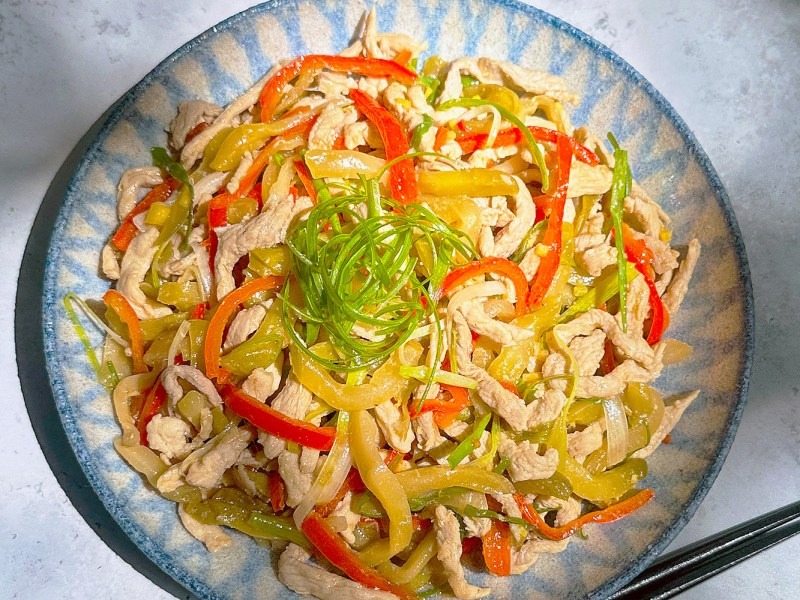
Vegetarian options abound too, like stir-fried greens or tofu dishes. And for dessert Fried bananas or mango pudding provide a sweet finale. The beauty of a china restaurant lies in its variety – there’s always something new to try, keeping dining fresh and fun.
The Ambiance and Decor of a Typical China Restaurant
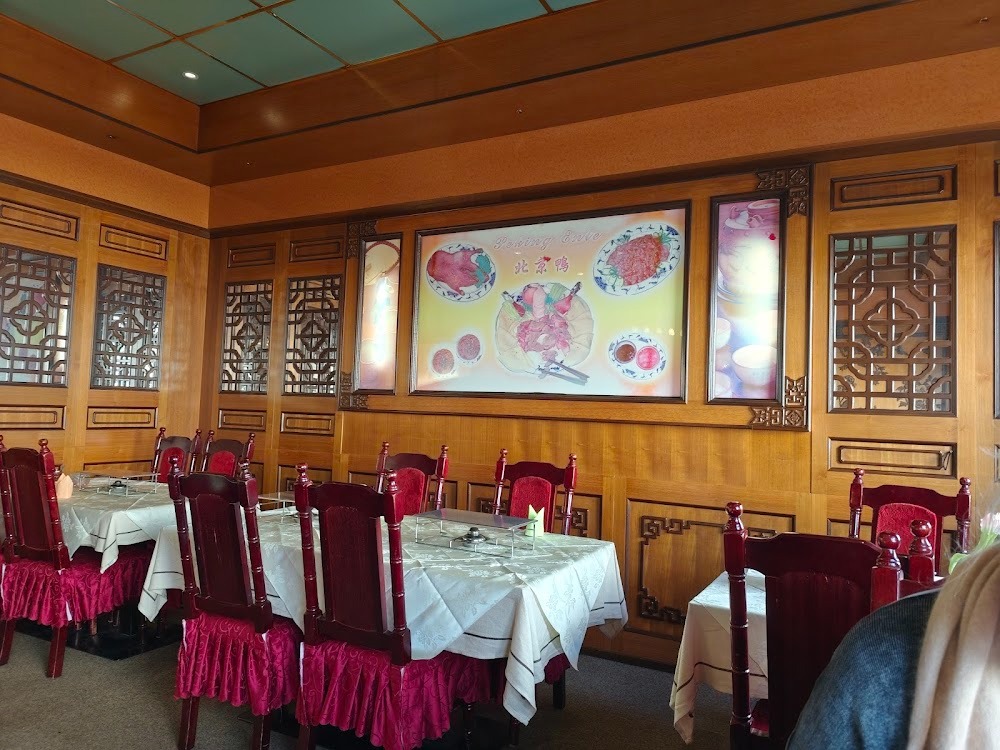
Walking into a china restaurant feels like entering a serene oasis amid Germany’s urban hustle. The ambiance is thoughtfully crafted to evoke tranquility, with soft lighting that casts a warm glow over wooden panels and intricate carvings. Red lanterns often hang from ceilings, symbolizing good fortune, while silk screens divide spaces for intimate dining. It’s optimistic how these elements transport you to China without leaving your seat.
Subtly, the decor blends tradition with modernity. You might spot bamboo motifs or porcelain vases alongside contemporary seating. In larger china restaurants, like those in Berlin, live cooking stations add excitement, letting you watch chefs at work. Music plays a gentle role too – soft instrumental tunes set a relaxed vibe, encouraging lingering conversations.
What stands out is the hospitality. Staff in many china restaurants wear traditional attire, enhancing the cultural immersion. Buffets are common, promoting a sense of abundance and community. Overall, the ambiance isn’t just backdrop; it’s integral to the experience, making every visit memorable and uplifting.
Best China Restaurants Across Germany
Germany boasts some stellar china restaurants that exemplify excellence. In Berlin, the Golden Phoenix earns Michelin nods for its elegant Chinese fare, blending Sichuan heat with refined presentation. Long March Canteen, also in Berlin, offers casual yet authentic vibes, perfect for dim sum lovers. Don’t miss Ming Dynastie, a hotspot where families flock for Peking duck – its bustling energy is infectious.
Venturing to Munich, Jin stands out with Asian-inspired dishes that pair beautifully with local wines. For a buffet experience, China Restaurant Tang in Nuremberg delivers variety and value, with vegetarian-friendly options galore. In Hamburg, spots like Great Wall impress with hot pot sessions, fostering group fun.
Here’s a quick table highlighting top picks:
| City | Restaurant Name | Specialty | Why Visit? |
| Berlin | Golden Phoenix | Chinese fine dining | Michelin quality, elegant ambiance |
| Berlin | Long March Canteen | Dim sum and noodles | Casual, authentic flavors |
| Munich | Jin | Asian fusion | Wine pairings, innovative menu |
| Nuremberg | China Restaurant Tang | Buffet-style Asian | Affordable, large portions |
| Hamburg | Great Wall | Hot pot | Interactive dining, group-friendly |
These china restaurants showcase the best of what’s available, each contributing to Germany’s diverse culinary scene. With such options, it’s easy to feel optimistic about exploring more.
Health Benefits of Dining at a China Restaurant
Dining at a china restaurant isn’t just indulgent; it’s often a smart choice for your well-being. Many dishes emphasize balance, drawing from traditional Chinese medicine principles. For example, stir-fries loaded with veggies like bok choy or broccoli provide vitamins and fiber, aiding digestion. Lean proteins, such as in Kung Pao chicken, support muscle health without excess fats.
Herbs and spices play a starring role too. Ginger in soups can soothe stomachs, while garlic boosts immunity. Opt for steamed options over fried to keep calories in check – think steamed fish or dumplings. Even the teas served, like green or oolong, are antioxidant-rich, promoting heart health.
Transitionally, it’s worth noting how china restaurants cater to modern diets. Gluten-free rice noodles or vegan tofu stir-fries abound, making them inclusive. Overall, with mindful choices, a meal at a china restaurant can leave you feeling energized and positive about your health journey.
Cultural Significance of China Restaurant in German Society
The china restaurant holds a special place in German culture, symbolizing integration and festivity. During Christmas, many families swap roasted goose for Beijing roast duck, turning the china restaurant into a holiday hub. This tradition highlights how Chinese cuisine has become woven into German life, fostering cross-cultural bonds.
Moreover, these eateries serve as community anchors for the Chinese diaspora. In cities like Berlin, with its historic Chinatown roots, china restaurants preserve heritage while adapting. They host events like dragon dances or Lunar New Year feasts, inviting locals to partake. It’s uplifting to see how this exchange enriches society, breaking down barriers through shared meals.
In a broader sense, the china restaurant represents resilience. From humble beginnings amid historical challenges, they’ve grown into beloved institutions, promoting diversity. As Germany embraces multiculturalism, these spots continue to shine, optimistic beacons of unity.
How China Restaurants Adapt to Local Tastes
Adaptation is key to the success of the china restaurant in Germany. Chefs often modify recipes, like making sweet and sour sauces milder to suit European preferences. Fried, crispy elements appeal broadly, yet authenticity remains in spices like Sichuan pepper.
Buffet formats are a hit, allowing diners to sample widely – a nod to German love for variety. Pairing dishes with local beers or wines adds a fusion twist. Subtly, ingredients shift too; local veggies replace hard-to-find ones, keeping costs down.
This flexibility ensures china restaurants thrive, blending traditions seamlessly. It’s a positive evolution, keeping menus exciting and accessible.
Future of China Restaurant in Germany
Looking ahead, the china restaurant scene in Germany brims with potential. With growing interest in authentic regional cuisines, like fiery Hunan or delicate Cantonese, expect more specialized spots. Sustainability will play a role too – think locally sourced ingredients in traditional recipes.
Technology might enhance experiences, from app-based ordering to virtual menus. As younger generations take over, fusion innovations could emerge, like Chinese-German hybrids. Overall, the future looks bright; the china restaurant will continue delighting, evolving with society’s tastes.
Fazit
In wrapping up, the china restaurant stands as a testament to culinary harmony in Germany. From its historical roots to its modern adaptations, it offers not just meals, but meaningful connections. Whether savoring Peking duck or enjoying the warm ambiance, these eateries inspire optimism about cultural exchange. As they grow and innovate, the china restaurant remains a cherished part of German life, inviting everyone to explore its flavors. Next time you’re out, why not visit a china restaurant You might just discover your new favorite spot.
FAQs
What is a china restaurant?
A china restaurant refers to a Chinese eatery in Germany, often serving adapted and authentic dishes in a welcoming setting.
Are china restaurants in Germany authentic?
Many are, especially in cities like Berlin, though some adapt flavors to local tastes – a blend that keeps things exciting.
What are popular holidays for visiting a china restaurant?
Christmas is big; many Germans enjoy Peking duck instead of traditional fare, making it a festive tradition.
Do china restaurants offer vegetarian options?
Absolutely! From tofu stir-fries to veggie dumplings, there’s plenty for plant-based diners.
How has the china restaurant evolved in Germany?
From a few spots in the 1920s to thousands today, they’ve grown by adapting while preserving cultural essence.