
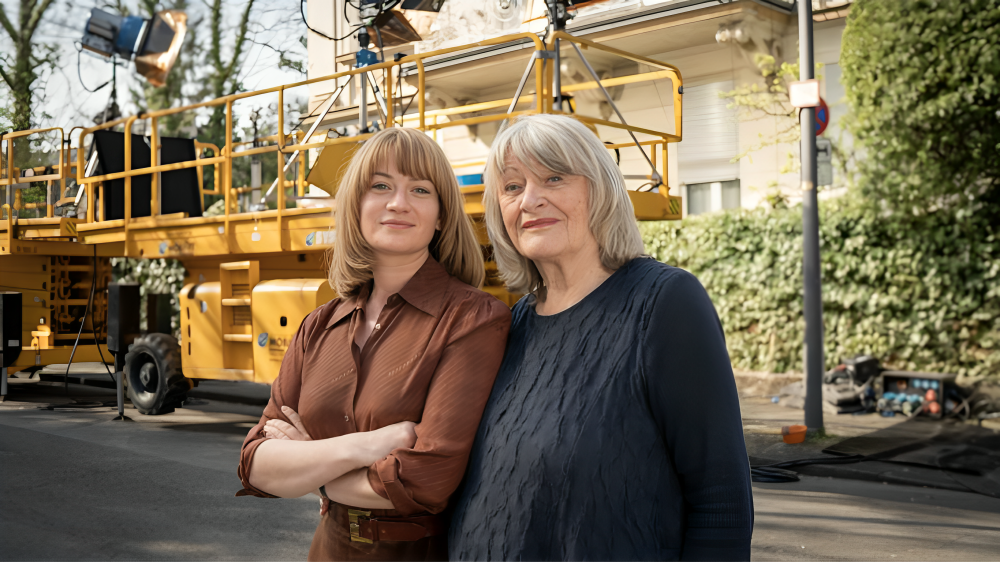
Alice Schwarzer stands out as one of the most influential figures in modern feminism, especially in Germany and beyond. Born during a turbulent time, she’s dedicated her life to fighting for women’s rights, challenging old norms, and inspiring generations. You know, it’s amazing how one person’s voice can spark real change, like a ripple turning into a wave. In this article, we’ll dive deep into her journey, from her humble beginnings to her bold campaigns, all while highlighting why alice schwarzer remains a beacon of hope for equality. Her story isn’t just about the past; it’s a reminder that progress keeps moving forward, even when the road gets bumpy.
Early Life of Alice Schwarzer
Alice Schwarzer came into the world on December 3, 1942, in Wuppertal, which was then part of Nazi Germany. Raised by her grandparents, whom she later described as staunch anti-Nazis, her early years were shaped by the chaos of World War II. Imagine being a child during those dark days—evacuated to Bavaria and only returning home in 1950. It’s no wonder she grew up with a strong sense of justice. Her single mother played a role too, but it was her grandparents who instilled values that would fuel her lifelong passion for fairness.
Growing up in post-war Germany, alice schwarzer witnessed the struggles women faced in a society rebuilding itself. Times were tough, but hey, that’s often where resilience is born. She saw firsthand how women were expected to stay in traditional roles, and that lit a fire in her. This background set the stage for her to become a voice for those who felt silenced, showing us that even from challenging starts, great things can emerge.
Education and Path to Journalism
Heading to Paris in the 1960s, alice schwarzer immersed herself in a vibrant world of ideas. She learned French and dove into journalism, starting as a trainee in Düsseldorf in 1966 before becoming a correspondent in the City of Light. From 1970 to 1974, she studied psychology and sociology, attending lectures by thinkers like Michel Foucault. Talk about being in the right place at the right time!
This education wasn’t just about books; it was a launchpad for her career. Working as a freelancer for various media, she honed her skills in writing and reporting. It’s fascinating how these experiences blended her love for words with a growing awareness of social issues. Alice schwarzer’s time in Paris opened her eyes to feminist movements brewing there, planting seeds that would bloom into her own groundbreaking work. Optimistically, it proves that seeking knowledge can lead to empowering others.
Pioneering Campaigns for Women’s Rights
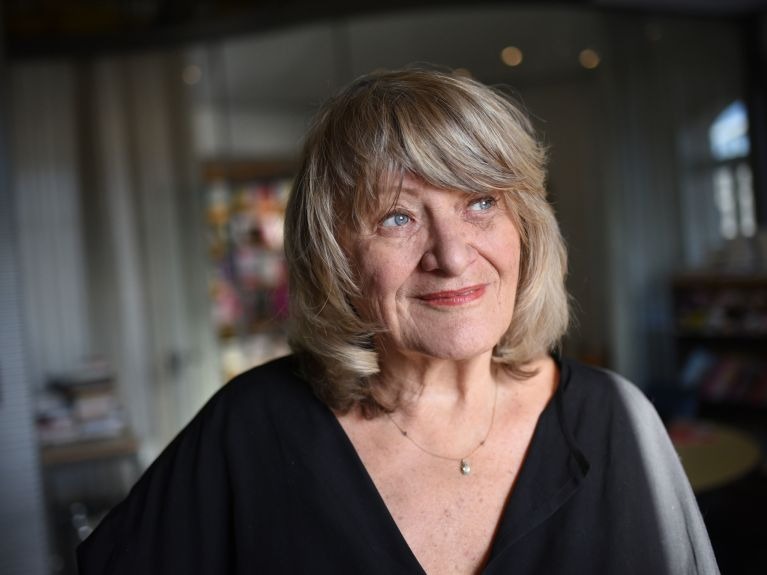
Alice schwarzer didn’t just talk about change; she made it happen. In 1971, inspired by a French campaign, she convinced Stern magazine to run a bold feature where 374 German women, including celebrities like Romy Schneider, admitted to having abortions—illegal at the time. This “We Had an Abortion” campaign shook society and pushed for legalization, though the full victory came later. It’s like throwing a stone into a pond; the ripples led to real legal shifts.
She also fought for women’s economic independence, helping abolish a 1976 law that required married women to get their husbands’ permission to work. Wow, can you believe that was a thing Her efforts extended to anti-pornography campaigns in the 1980s, arguing it harmed women’s dignity. Through it all, alice schwarzer’s optimism shines: she believes in a world where women stand tall, free from outdated chains.
- Abortion Rights Push: Mobilized hundreds to challenge Section 218, leading to public debate and eventual reforms.
- Against Prostitution: Advocated the Swedish model, where buying sex is illegal, to protect women from exploitation.
- Female Genital Mutilation Awareness: Spoke out against this practice, highlighting global women’s issues.
Founding EMMA: A Voice for Feminism
In 1977, alice schwarzer launched EMMA, Germany’s first feminist magazine, using proceeds from her bestselling book. What started as a monthly publication became a powerhouse for women’s stories, debates, and empowerment. It’s like creating a clubhouse where ideas flow freely, and that’s exactly what she did.
Over the years, EMMA tackled everything from equality in the workplace to violence against women. Alice schwarzer edited and published it for decades, turning it into a symbol of feminist resilience. Even when it went bimonthly in 1993, her commitment never wavered. Today, it continues to inspire, proving that one magazine can amplify countless voices. Isn’t it uplifting to see how persistence pays off
Key Publications Shaping Feminist Thought
Alice schwarzer has penned over 19 books, each a stepping stone in feminist discourse. Her 1975 hit, “The Little Difference and Its Huge Consequences,” explored gender roles and was translated into 11 languages, making waves internationally. It’s the kind of work that makes you think twice about everyday inequalities.
Other gems include her 2011 autobiography “Lebenslauf” and the 2020 sequel “Lebenswerk,” sharing personal insights with raw honesty. She even delved into biographies of icons like Simone de Beauvoir, bridging generations. Through these writings, alice schwarzer encourages readers to question norms and embrace change, always with an eye toward a brighter future.
Here’s a table of some key publications:
| Book Title | Year | Key Theme | Impact |
| Frauen gegen den § 218 | 1971 | Abortion rights | Sparked national debate on legalization |
| Der kleine Unterschied und seine großen Folgen | 1975 | Gender differences | Bestseller, influenced global feminism |
| Der große Unterschied | 2002 | Against gender division | Challenged societal splits between men and women |
| Lebenslauf | 2011 | Autobiography | Personal story inspiring resilience |
| Transsexualität | 2022 | Gender identity debates | Stirred discussions on modern feminism |
Awards Recognizing Alice Schwarzer’s Impact
Over her career, alice schwarzer has collected numerous accolades, a testament to her enduring influence. In 1996, she received the Order of Merit of the Federal Republic of Germany, and in 2004, she was made a Knight of the Legion of Honour in France. These honors aren’t just shiny trophies; they highlight how her work has touched lives across borders.
In 2005, she was named Journalist of the Year by Medium-Magazin, and in 2018, she got the Markgräfler Gutedelpreis. It’s heartening to see society acknowledge trailblazers like her. Alice schwarzer’s awards remind us that fighting for what’s right often leads to well-deserved recognition, fueling hope for future activists.
Controversies and Challenges Faced
No path to change is smooth, and alice schwarzer has faced her share of storms. In 2016, she was fined for tax issues related to a Swiss bank account, which she admitted to, citing fears from her political work. Critics called it a misstep, but she owned up to it, showing accountability.
More recently, her views on transgender issues in her 2022 book have drawn fire, with some labeling her transphobic. She’s also stirred debate on immigration and Islamism, warning about threats to women’s rights. Yet, amid the backlash, alice schwarzer stays true to her convictions, believing open dialogue leads to progress. It’s a bumpy ride, but one that keeps feminism evolving.
Recent Activities and Ongoing Influence
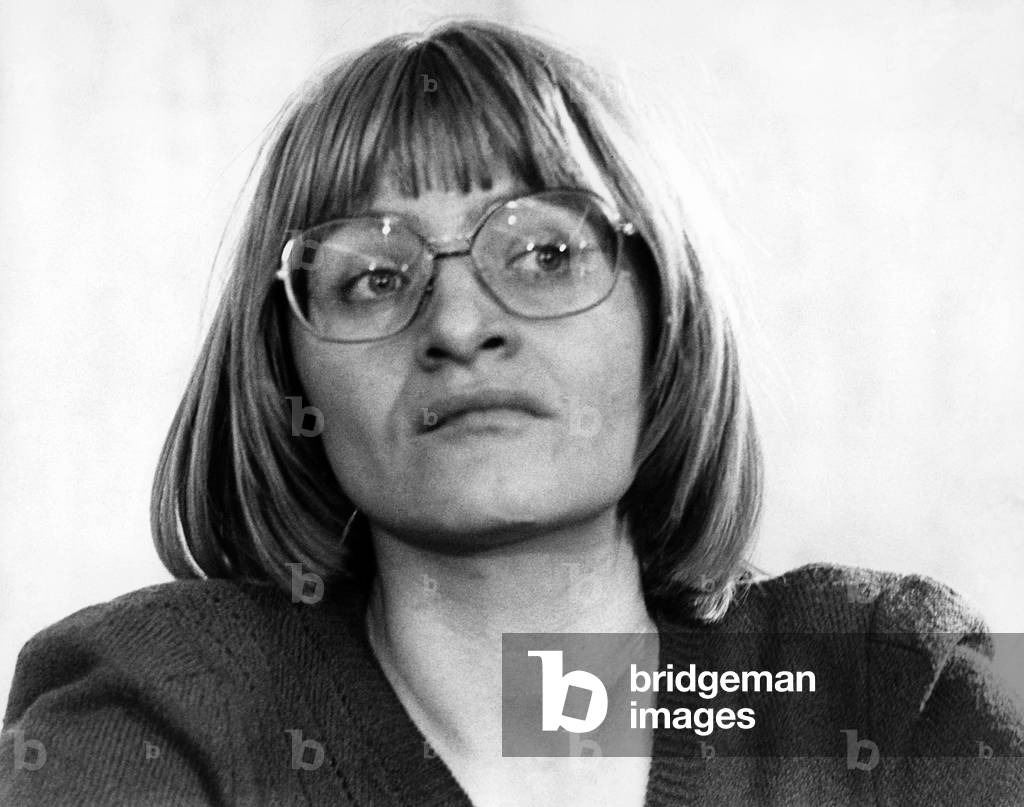
Even in her 80s, alice schwarzer isn’t slowing down. In 2023, she co-authored a peace manifesto with Sahra Wagenknecht against arms deliveries to Ukraine, sparking discussions on global conflicts. She’s also spoken on the corona era’s impact on women, advocating for better work-life balance.
Her marriage to Bettina Flitner in 2018 added a personal milestone, blending life and work seamlessly. Recent X posts show ongoing debates about her views, like praise for her intelligence amid political critiques. Alice schwarzer’s current efforts inspire optimism, proving age is no barrier to making a difference.
Legacy of Alice Schwarzer in Modern Feminism
Looking back, alice schwarzer’s legacy is one of transformation. She’s bridged second-wave feminism with today’s debates, influencing figures and movements worldwide. From Paris to Germany, her ideas have spread like wildfire, encouraging women to demand more.
In a world still grappling with inequality, her story offers hope. Younger feminists build on her foundation, adapting to new challenges. Alice schwarzer teaches us that persistence, coupled with passion, can reshape society for the better.
Fazit
Zusammenfassend lässt sich sagen, dass alice schwarzer eine unermüdliche Kämpferin für Frauenrechte ist, deren Arbeit Generationen inspiriert hat. Trotz Kontroversen bleibt ihr Einfluss positiv und vorwärtsgerichtet, und wir können optimistisch in die Zukunft blicken, wo Gleichberechtigung weiter voranschreitet.
FAQs
- Wer ist alice schwarzer? Alice Schwarzer ist eine deutsche Feministin, Journalistin und Autorin, bekannt für ihre Kampagnen für Frauenrechte und die Gründung der Zeitschrift EMMA.
- Welche Bücher hat alice schwarzer geschrieben? Zu ihren berühmtesten Werken gehören “Der kleine Unterschied und seine großen Folgen” (1975) und ihre Autobiografien “Lebenslauf” (2011) und “Lebenswerk” (2020).
- Warum ist alice schwarzer kontrovers? Ihre Ansichten zu Themen wie Transgender-Rechten und Immigration haben Kritik hervorgerufen, doch sie betont offene Debatten für Fortschritt.
- Welche Auszeichnungen hat alice schwarzer erhalten? Sie wurde mit dem Bundesverdienstkreuz (1996) und dem Ritter der Ehrenlegion (2004) geehrt, unter vielen anderen.
- Was macht alice schwarzer heute? Sie schreibt weiter, engagiert sich in aktuellen Debatten und setzt sich für Frieden und Frauenrechte ein, wie in ihrem Manifest von 2023.