
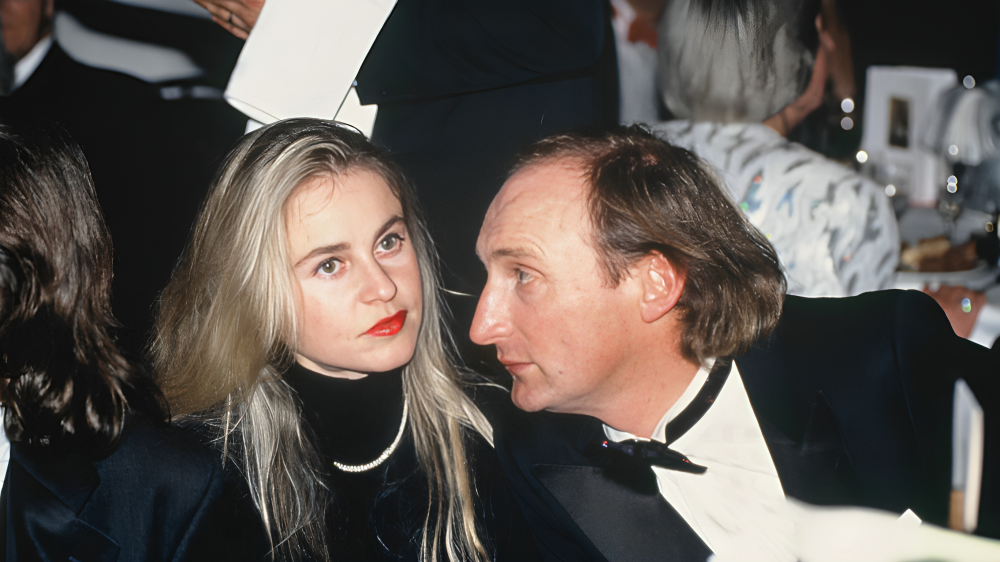
Otto Waalkes, the beloved German comedian, actor, and artist, has brought laughter to millions over decades. Born in the charming town of Emden, he’s turned simple jokes into cultural treasures, inspiring generations with his witty humor and creative spark. From his early days strumming a guitar to creating blockbuster films, Otto Waalkes stands as a beacon of joy in the entertainment world. This article dives deep into his life, showcasing how one man’s playful spirit can light up an entire nation.
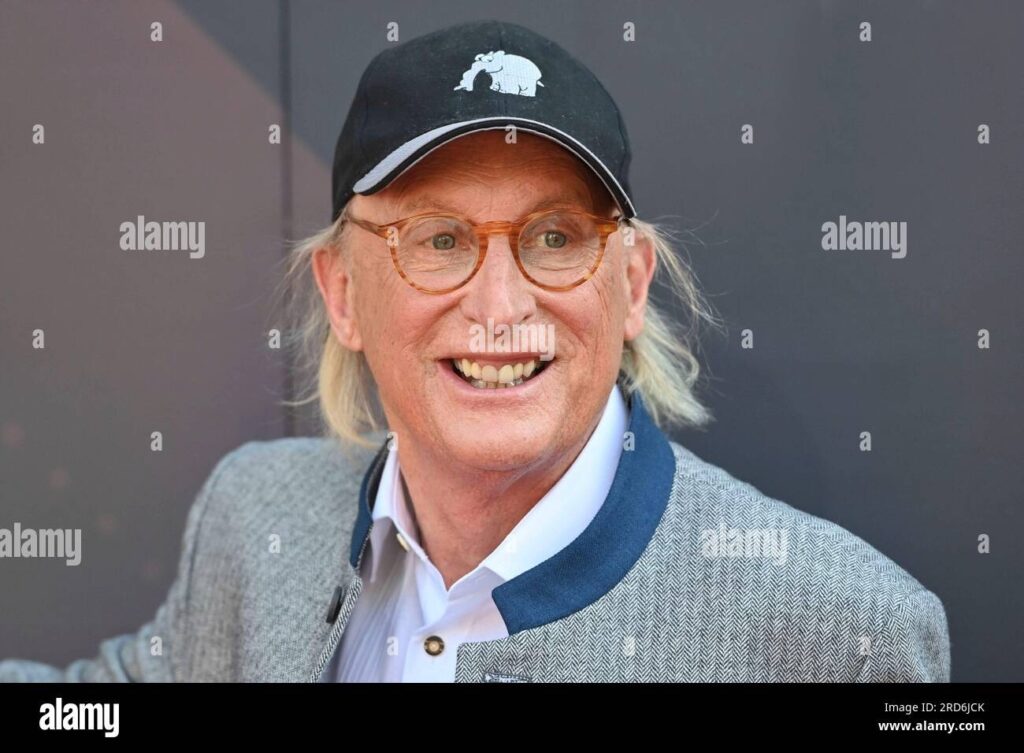
ARCHIVE PHOTO: Otto WAALKES will be 75 years old on July 22, 2023 Otto WAALKES (Actor, Author, Coemoedian, Producer). Single image, trimmed single motif, portrait, portrait, Bavarian Film Award 2021-Red Carpet, Red
Who Is Otto Waalkes?
When you think of German comedy, Otto Waalkes often pops up as the king of laughs. Known simply as Otto, he’s a multi-talented figure who’s mastered comedy, music, acting, and even drawing. His trademark style mixes slapstick fun, clever wordplay, and parodies that poke gentle fun at everyday life. Over the years, Otto Waalkes has become a household name, not just for his stand-up routines but for bringing characters like the adorable Ottifanten to life. These elephant-like creatures, with their big ears and goofy grins, symbolize his endless imagination.
What makes Otto Waalkes special is his ability to connect with people from all walks of life. Whether you’re a kid giggling at his cartoons or an adult chuckling at his satirical takes, his work feels fresh and relatable. He’s sold millions of albums, starred in hit movies, and even lent his voice to beloved animated characters in German dubs. As we explore his journey, it’s clear that Otto Waalkes isn’t just entertaining—he’s shaping how Germans see humor itself.
Early Life of Otto Waalkes
Otto Waalkes came into the world on July 22, 1948, in Emden, a cozy port town in East Frisia, Germany. Growing up in a working-class neighborhood called Transvaal, he was the second son of Karl Waalkes, a painter and decorator, and Adele Lüpkes. His family was deeply rooted in the Baptist faith, attending the Evangelic Free Church, where young Otto soaked up Bible stories and community values. These early experiences, though strict, sparked his curiosity about the world around him.
From a young age, Otto showed a knack for performance. At just eleven, he belted out songs like the German twist on “Baby Sittin’ Boogie” in a local shopping mall, earning a voucher and a book as prizes. By twelve, he got his hands on his first guitar, strumming away and dreaming big. He joined a band called The Rustlers in 1964, covering Beatles hits as the lead singer and guitarist. Those teenage years touring East Frisia built his confidence, turning a shy boy into a stage natural. Life wasn’t always easy in post-war Germany, but Otto Waalkes found ways to turn challenges into chuckles, setting the stage for his future success.
Family Influences and Childhood Adventures
Otto’s parents played a huge role in shaping his character. His father’s artistic side with paints likely inspired Otto’s later drawings, while his mother’s warmth taught him the value of kindness in comedy. Growing up in a devout household meant regular Bible classes, but Otto often sneaked in humor even there. He once recalled how he’d mimic voices during stories, making friends laugh without getting into too much trouble.
Childhood wasn’t all play; Otto faced the realities of a modest life. Yet, he turned those moments into fuel for his creativity. For instance, family outings to the seaside inspired his love for nature-themed jokes. These roots in East Frisia, with its flat landscapes and salty air, often pop up in his work, reminding fans where this comedy genius started.
Education and Path to Artistry
After finishing high school with his Abitur in 1968 at a boys’ grammar school in Emden, Otto Waalkes aimed high. He wanted to study free art but didn’t get in right away. Undeterred, he enrolled in art education at the University of Fine Arts in Hamburg in 1970, under the guidance of professor Hans Thiemann. Though he never became a teacher, this time honed his skills in drawing and visual storytelling.
Living in a lively commune called Villa Kunterbunt with roommates like musicians Udo Lindenberg and Marius Müller-Westernhagen, Otto soaked up the vibrant 1970s Hamburg scene. To make ends meet, he performed in small clubs like Danny’s Pan, earning a few Deutschmarks per gig. These humble beginnings taught him resilience—after all, turning a ten-minute slot into a crowd-pleaser takes real grit. Otto Waalkes’ education wasn’t just about books; it was about blending art with life, paving the way for his unique brand of humor.
Blending Art and Performance
In Hamburg, Otto experimented with mixing music and comedy. He’d play songs but throw in jokes when things went wrong, like dropping his mic. Audiences loved it more than the tunes! This shift from rocker to comedian happened organically, showing how education opened doors he didn’t even know existed. His art studies also led to creating cartoons, which would later become his famous Ottifanten.
Otto Waalkes’ Breakthrough in Comedy
The early 1970s marked Otto Waalkes’ big break. Meeting manager Hans Otto Mertens in 1972 was a game-changer. Together, they organized a major concert with The Rustlers in Hamburg, which Otto funded himself for recording. That same year, he launched Rüssl Räckords and released his debut album, “Otto,” selling over 500,000 copies. It was a hit, blending parodies, puns, and silly sounds that had Germans roaring with laughter.
His comedy style Think quick wit, body language antics, and satirical jabs at society. Phrases like “Hast du mal ‘ne Zigarette Meine Schachtel steckt noch im Automaten!” became cultural staples, influencing everyday language. Otto Waalkes didn’t just tell jokes; he created a whole world of fun, drawing from the New Frankfurt School’s absurd humor. This breakthrough proved that comedy could be both smart and silly, capturing hearts across Germany.
First Shows and Growing Fanbase
Starting in tiny clubs, Otto soon filled larger venues. His live shows mixed music with improv, keeping things fresh. Fans adored his energy, and word spread like wildfire. By the mid-1970s, he was a star, proving that hard work pays off in the best ways.
Musical Journey of Otto Waalkes
Music has always been at Otto Waalkes’ core. After his debut, he churned out albums like “Die Zweite” (1974) and “Oh, Otto” (1975), many topping charts and going platinum. His songs parodied hits, adding humorous twists that made them unforgettable. Albums such as “Das Wort zum Montag” (1977) and “Ottocolor” (1978) showcased his versatility, from folk tunes to rock parodies.
Even in later years, Otto kept the music alive. In 2023, a remix of his 1993 track “Friesenjung” with Ski Aggu and Joost Klein hit number one on German charts. This resurgence shows how Otto Waalkes’ tunes remain timeless, bringing joy to new audiences. His records aren’t just music—they’re comedy gold, blending melodies with mischief.
Hit Albums and Song Parodies
Here’s a quick look at some standout albums:
- Otto (1973): His first, featuring the Ottifanten on the cover.
- Die Zweite (1974): Continued the pun-filled fun.
- Hilfe Otto kommt! (1983): A comeback hit after a break.
These releases sold millions, proving Otto’s musical talent shines bright.
Iconic Creations: The Ottifanten by Otto Waalkes
No talk of Otto Waalkes is complete without the Ottifanten! These whimsical elephant characters started as a doodle on his first album cover and grew into a phenomenon. With their long trunks and expressive faces, Ottifanten represent pure fun. In 1993, they starred in a 13-episode cartoon series on RTL, delighting kids and adults alike.
Otto expanded them into books, newspapers, and even an animated film, “Kommando Störtebeker.” They’re more than cartoons; they’re symbols of creativity. Otto Waalkes’ Ottifanten teach us to embrace silliness, turning simple drawings into lasting legacies.
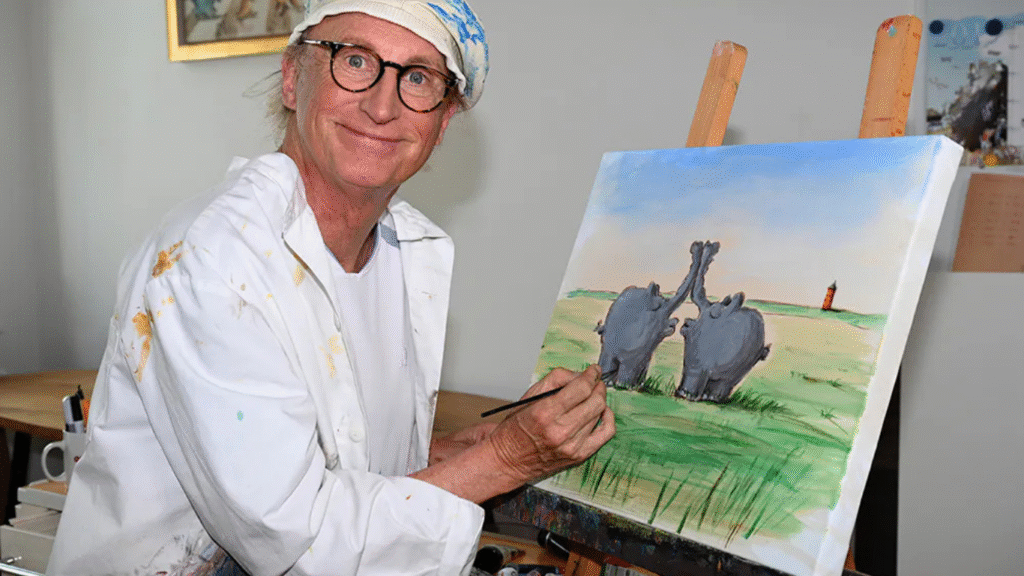
Ottos Ottifanten (TV Series 1993) – IMDb
Other Memorable Characters
Beyond Ottifanten, Otto created gems like:
- Harry Hirsch: The bumbling reporter always in a pickle.
- Frau Suhrbier: A quirky lady with hilarious mishaps.
- Oberförster Pudlich: A forestry official parodying authority.
- Herbert von Karamalz: A spoof of conductor Herbert von Karajan, tied to malt beer jokes.
These characters add depth to his comedy, making shows endlessly entertaining.
Film Career Highlights of Otto Waalkes
Otto Waalkes conquered cinema too. His “Otto” film series began with “Otto – Der Film” in 1985, becoming Germany’s most successful movie at the time with millions of viewers. Follow-ups like “Otto – Der neue Film” (1987), “Otto – Der Außerfriesische” (1989), “Otto – Der Liebesfilm” (1992), and “Otto – Der Katastrofenfilm” (2000) kept the laughs coming, full of slapstick and caricatures.
He starred in “7 Zwerge – Männer allein im Wald” (2004) and its sequel (2006), plus “The 7th Dwarf” (2014). Recent roles include “Catweazle” (2021). Otto Waalkes’ films blend humor with heart, proving he’s a silver screen sensation.
Filmography Table
| Film Title | Year | Role | Notable Fact |
| Otto – Der Film | 1985 | Otto | Most successful German film ever recorded |
| Otto – Der neue Film | 1987 | Otto | Continued the parody style |
| 7 Zwerge – Männer allein im Wald | 2004 | Bubi | Box office hit with fairy tale twist |
| Catweazle | 2021 | Catweazle | Magical comedy adventure |
| Otto’s Eleven | 2010 | Otto | Heist parody inspired by Ocean’s Eleven |
This table highlights how Otto Waalkes’ movies have evolved, always keeping audiences smiling.
Voice Acting Talents of Otto Waalkes
Otto Waalkes’ voice brings magic to animations. He’s the German voice of Mushu in “Mulan” (1998 and 2004), Sid the Sloth in the entire “Ice Age” series (2002–2022), and the Grinch in “The Grinch” (2018). His expressive tones make these characters pop, adding German flair to global hits.
This side gig shows Otto’s versatility—he’s not just on stage but in our favorite films too. Kids grow up loving his voices, ensuring Otto Waalkes’ influence spans generations.
Impact on Animated Films
- Brought humor to Mushu’s fiery personality.
- Made Sid’s clumsiness even funnier in German.
- Captured the Grinch’s grumpy charm perfectly.
These roles highlight how Otto adapts his comedy worldwide.
Awards and Honors for Otto Waalkes
Otto Waalkes’ contributions haven’t gone unnoticed. In 2018, he received the Officer’s Cross of the Order of Merit of the Federal Republic of Germany for his lifework. Other accolades include the Grimme Award (1983), Bavarian Film Awards (2022), and Bavarian TV Awards (2014).
These honors reflect his impact on culture. Otto Waalkes deserves every bit of recognition, as his optimism and creativity uplift society.
Key Achievements
- Lifetime achievement awards celebrate his decades of joy.
- Exhibitions like “OTTO – THE EXHIBITION” in 2023 showcased his art.
- Continued relevance, like the 2023 chart-topping remix.
Personal Life of Otto Waalkes
Behind the laughs, Otto Waalkes has a rich personal story. He survived the 1980 MGM Grand fire in Las Vegas, a scary event that showed his resilience. Married to Manuela Ebelt from 1987 to 1999, they had a son, Benjamin, born in 1987. Later, he wed actress Eva Hassmann in 2000, but they divorced in 2012 after an open marriage.
Now living in Hamburg-Blankenese, Otto enjoys a quiet life when not performing. His experiences, from commune days to family life, add depth to his art. Otto Waalkes reminds us that even stars have human sides, making him all the more endearing.
Hobbies and Interests
Otto loves painting, often creating works beyond comedy. His 75th birthday in 2023 saw exhibitions in Hamburg, Frankfurt, Emden, and Bavaria, blending his art with props from shows.
Recent Activities of Otto Waalkes
Even in his late 70s, Otto Waalkes stays active. The 2023 “Friesenjung” remix topped charts, introducing his music to younger fans. He performed in 2018 and continues voice work. Recent X posts show fans quoting his lines, proving his timeless appeal.
Looking ahead, Otto’s legacy grows. In 2026, whispers of new projects keep excitement high. Otto Waalkes’ ongoing energy inspires us all to keep laughing.
Current Influence
Fans on social media share his quotes, like “Lächle und sei froh,” showing how his optimism endures.
Legacy of Otto Waalkes
Otto Waalkes has transformed German entertainment. His blend of comedy, music, and art has influenced countless artists. From sold-out shows to cultural phrases, his impact is profound. As Germany evolves, Otto’s work reminds us to find joy in the absurd.
Future generations will discover his films and cartoons, keeping the laughter alive. Otto Waalkes’ story is one of triumph, showing how creativity can conquer anything.
Fazit
In wrapping up, Otto Waalkes emerges as a true pioneer whose humor has brightened countless lives. From humble beginnings to stardom, he’s proven that laughter is the best medicine. His Ottifanten, films, and songs continue to inspire, making the world a happier place. As we look back, it’s clear Otto Waalkes will forever hold a special spot in hearts, encouraging us to smile through life’s ups and downs.
FAQs
What is Otto Waalkes best known for?
Otto Waalkes is best known for his comedy routines, the Ottifanten characters, and starring in popular German films like the “Otto” series.
How did Otto Waalkes start his career?
He began as a musician in bands like The Rustlers, transitioning to comedy in Hamburg clubs during the 1970s.
What are some of Otto Waalkes’ famous voice roles?
He’s voiced Mushu in “Mulan,” Sid in “Ice Age,” and the Grinch in the German dubs, bringing unique charm to each.
Has Otto Waalkes won any awards?
Yes, including the Officer’s Cross of the Order of Merit in 2018 and various Bavarian awards for his contributions to film and TV.
What is the significance of the Ottifanten?
Created by Otto Waalkes, these elephant-like figures represent his creative side, starring in cartoons, books, and films that delight audiences of all ages.