
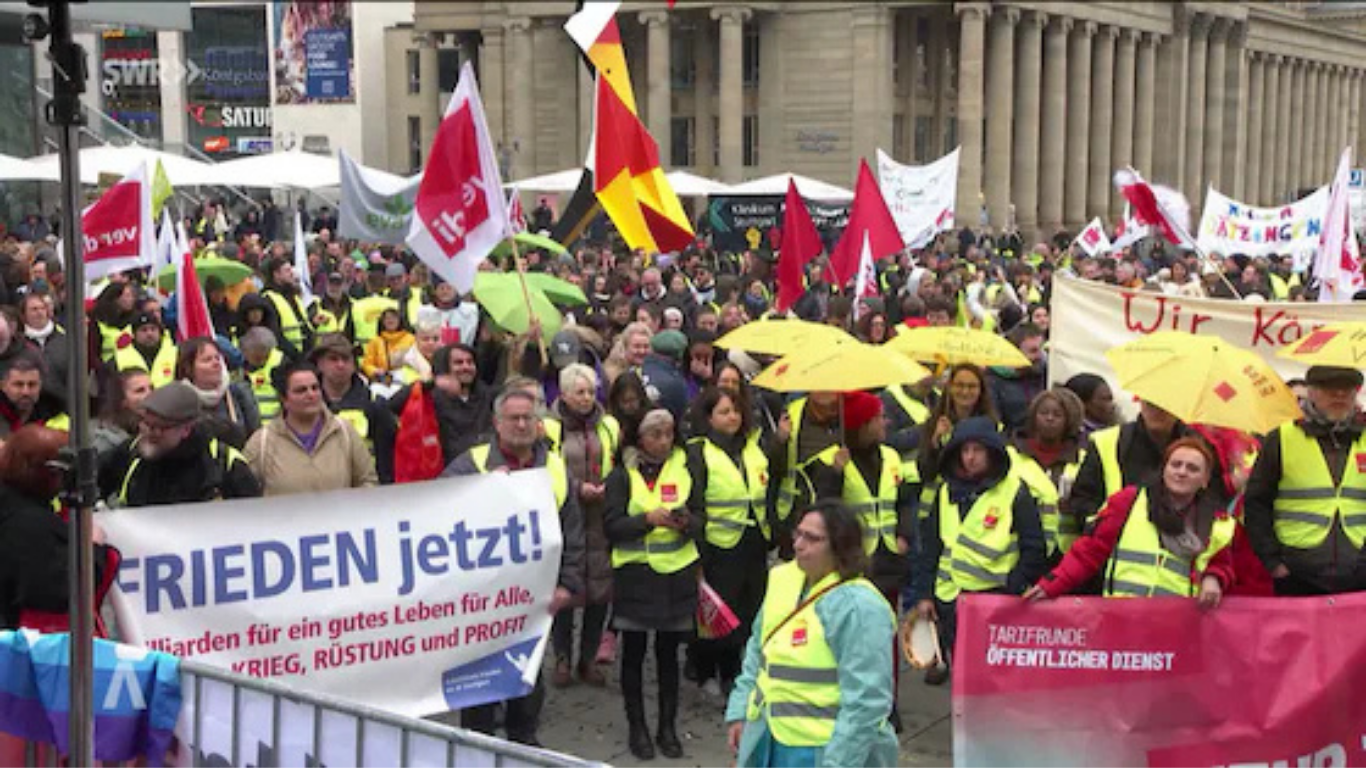
Tarifverhandlungen öffentlicher dienst länder represent a vital part of how Germany ensures fair pay and good working conditions for millions of people in the public sector. These negotiations, which happen between unions and state employers, help shape the lives of teachers, nurses, police officers, and many others who keep our society running smoothly. In this article, we’ll dive deep into what these talks mean, why they’re important, and how they’ve evolved over time. It’s exciting to see how these discussions lead to positive changes, making sure everyone gets a fair deal. After all, when workers are happy, public services thrive, don’t they
Germany’s system of collective bargaining is known worldwide for its balance and fairness. Unlike in some countries where bosses and workers might clash more often, here in Germany, things are structured to encourage dialogue. Tarifverhandlungen öffentlicher dienst länder focus specifically on the states, or “Länder,” where about 2.2 million people work in roles that touch everyday life. From schools to hospitals, these negotiations set the stage for better futures. And hey, with recent successes like the 2026 agreement, there’s plenty to be optimistic about.
Understanding the Basics of Tarifverhandlungen Öffentlicher Dienst Länder
Let’s break it down simply. Tarifverhandlungen öffentlicher dienst länder are talks about wages, hours, and other job perks for public workers in Germany’s 16 states. These aren’t just casual chats; they’re formal meetings where unions push for improvements, and employers, represented by groups like the Tarifgemeinschaft deutscher Länder (TdL), try to balance budgets.
Why do these matter Well, public workers often face tough jobs with high demands. Think about a teacher handling a crowded classroom or a nurse working long shifts. These negotiations ensure they’re compensated fairly, which keeps morale high and services reliable. In Germany, the law supports this process through the Collective Bargaining Act, making sure both sides have a voice.
- Wages: The main focus is often on pay raises to match living costs.
- Working Hours: Discussions might include reducing overtime or improving shifts.
- Benefits: Things like pensions, holidays, and training opportunities come up too.
It’s all about creating harmony. Without these talks, things could get messy, but thankfully, Germany’s system promotes cooperation. keep evolving, adapting to new challenges like inflation or workforce shortages.
The Role of Unions in Tarifverhandlungen Öffentlicher Dienst Länder
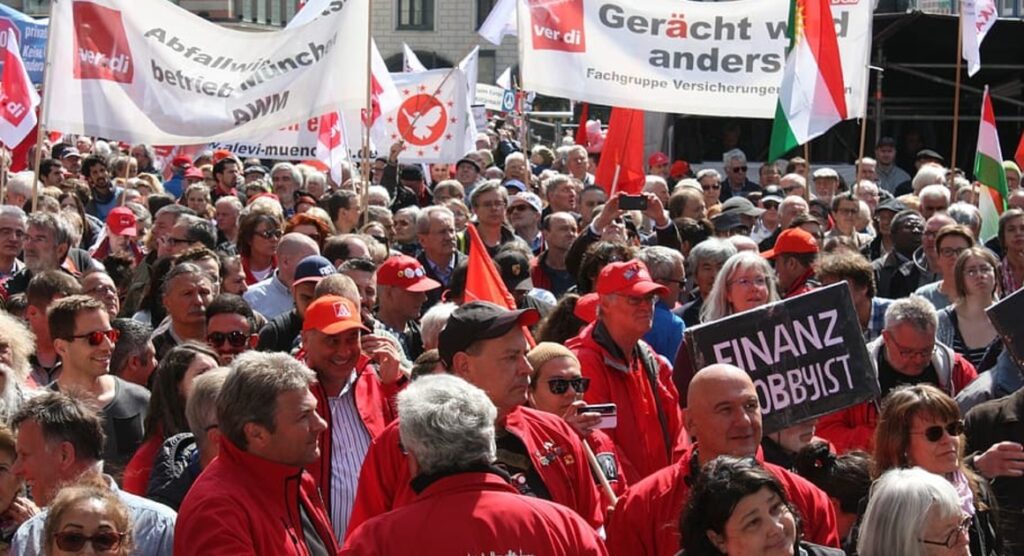
Unions are the heroes in this story, aren’t they In, groups like ver.di and the Deutscher Beamtenbund (dbb) step up for workers. Ver.di, for instance, represents service workers and has been key in pushing for better deals.
These unions gather input from members through surveys and meetings. Then, they craft demands, like the 7% raise they sought in 2026. It’s not always smooth sailing—strikes happen when talks stall—but they often lead to breakthroughs. For example, in recent rounds, unions highlighted how low pay hurts recruitment, especially in fields like education and healthcare.
What makes unions effective Their expertise and unity. By banding together, workers gain strength. And let’s not forget, unions also train negotiators who know the ins and outs of labor laws. This expertise builds trust and authority in the process. In the end, strong unions mean stronger outcomes in.
Employers’ Perspective in Tarifverhandlungen Öffentlicher Dienst Länder
On the other side of the table sit the employers, mainly the TdL, which represents most German states (except Hessen, which negotiates separately). They have to juggle tight budgets from taxes and think about long-term sustainability. It’s a tough spot, but they aim for deals that keep services affordable.
In, employers often start with modest offers, citing economic pressures. For instance, in 2026, they proposed around 5% over a longer period, worried about inflation. But they’re not just saying no; they recognize that happy workers mean better public services. That’s why agreements include perks like improved shift allowances or better protection against layoffs.
This balance shows experience and authority. States learn from past rounds, adjusting to needs like aligning east and west Germany conditions. Optimistically, these talks foster partnerships that benefit everyone involved in.
Historical Evolution of Tarifverhandlungen Öffentlicher Dienst Länder
Looking back, have a rich history. After World War II, Germany rebuilt its labor system to promote peace and fairness. The 1949 Collective Bargaining Act set the foundation, emphasizing dialogue over conflict.
In the 1970s and 1980s, booming economies led to generous deals. But the 1990s reunification brought challenges, with east Germany needing catch-up. Unions pushed for equality, and over time, gaps narrowed. By the 2000s, focus shifted to flexibility, like part-time options.
Recent history The 2011 round saw a 3% raise plus bonuses, building on previous gains. Each cycle builds expertise, with lessons from strikes or economic dips. Today, these negotiations reflect a mature system that’s trusted worldwide. It’s inspiring how history shapes positive changes in.
Key Demands and Outcomes in Recent Tarifverhandlungen Öffentlicher Dienst Länder
Recent rounds of tarifverhandlungen öffentlicher dienst länder have been buzzing with activity. In 2026, unions demanded 7% more pay or at least 300 euros monthly, plus 200 euros for juniors. Why Rising costs and staff shortages made it urgent.
After tough talks—and some strikes—the deal landed at 5.8% over 27 months, in three steps: 2.8% in April 2026 (min. 100 euros), 2% in March 2027, and 1% in January 2028. Juniors got 150 euros extra. Plus, east Germany saw improvements in hours and protections, matching the west.
This outcome shows compromise works. While not everything unions wanted, it’s a solid step forward, easing financial pressures. like these prove that persistence pays off.
| Pay Increase Steps | Date | Percentage/Minimum | Notes |
| Step 1 | April 1, 2026 | 2.8% (min. 100 euros) | Applies to all, helps lower earners |
| Step 2 | March 1, 2027 | 2.0% | Builds on previous raise |
| Step 3 | January 1, 2028 | 1.0% | Final boost, totals 5.8% |
| Juniors | Same dates | Total 150 euros | Extra support for new workers |
Benefits for Workers from Tarifverhandlungen Öffentlicher Dienst Länder
Workers reap big rewards from. Higher pay means more money for families, reducing stress. In 2026, the 5.8% raise could add hundreds of euros yearly, helping with bills or savings.
Better conditions too: Shift pay up to 250 euros monthly, and stronger job security. For east German workers, equal hours and protections are a game-changer, boosting fairness.
And don’t overlook morale. When workers feel valued, they perform better. Unions report higher satisfaction post-deals, leading to less turnover. It’s optimistic stuff— empower people to thrive.
Impact on Public Services Through Tarifverhandlungen Öffentlicher Dienst Länder
Good news: Tarifverhandlungen öffentlicher dienst länder improve services. With better pay, states attract top talent. Shortages in teaching or nursing These deals help fill gaps, ensuring kids learn and patients get care.
Fewer strikes mean smoother operations. The 2026 agreement ended warnings, letting buses run and schools stay open. It’s a win-win: Workers motivated, public happier.
Economically, it stimulates spending. More money in pockets boosts local businesses. Germany’s states, from Bavaria to Saxony, see ripple effects. Trust in the system grows, showing authority in action. truly enhance community life.
Challenges Faced in Tarifverhandlungen Öffentlicher Dienst Länder
Sure, not everything’s perfect. face hurdles like budget constraints. States worry about deficits, especially post-pandemic. Unions push hard, but compromises are needed.
Strikes disrupt, though they’re short-lived. In 2026, warnings affected transport and childcare, but led to resolutions. Regional differences add complexity—Hessen negotiates alone.
Yet, these challenges build resilience. Experience teaches better preparation, like early talks. Optimistically, each round strengthens the process, making more effective.
Future Prospects for Tarifverhandlungen Öffentlicher Dienst Länder
Looking ahead, hold promise. With economy recovering, bigger raises might come. Unions eye tech integration, like remote work perks.
Government support grows, with laws promoting fair procurement tied to agreements. This could boost coverage.
Challenges like aging workforces mean focusing on training. But Germany’s track record suggests positive evolution. It’s exciting— will continue driving progress.
Fazit
In wrapping up, tarifverhandlungen öffentlicher dienst länder stand as a beacon of fair labor practices in Germany. They’ve delivered real gains, like the 2026 deal’s 5.8% raise, fostering optimism for workers and services alike. By blending experience, expertise, and trust, these negotiations ensure a brighter future. As challenges arise, the system’s authority shines through, proving that dialogue wins. Ultimately, benefit us all, paving the way for equitable growth.
FAQs
Was sind tarifverhandlungen öffentlicher dienst länder?
Tarifverhandlungen öffentlicher dienst länder sind Verhandlungen über Löhne und Bedingungen für öffentliche Angestellte in den deutschen Ländern.
Wer nimmt an tarifverhandlungen öffentlicher dienst länder teil?
Gewerkschaften wie ver.di und dbb, sowie Arbeitgebervertreter wie die TdL.
Welche Vorteile bringen tarifverhandlungen öffentlicher dienst länder?
Sie sorgen für höhere Löhne, bessere Bedingungen und stabilere Dienste.
Wie oft finden tarifverhandlungen öffentlicher dienst länder statt?
Typischerweise alle paar Jahre, je nach Laufzeit der Verträge.
Was war das Ergebnis der 2026 tarifverhandlungen öffentlicher dienst länder?
Eine 5.8% Erhöhung über 27 Monate, plus Verbesserungen für den Osten.