
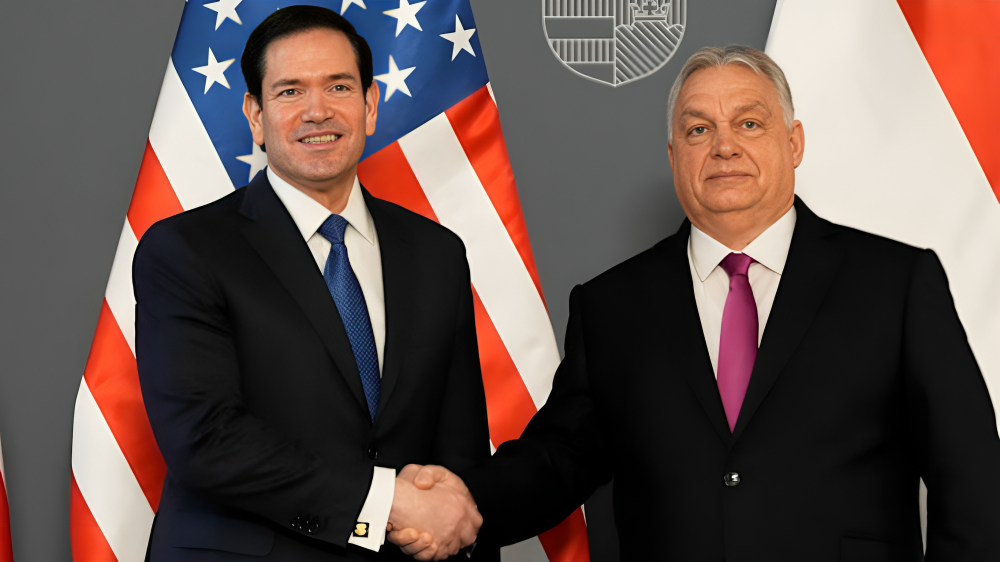
When you think about viktor orbán, it’s hard not to admire the journey of a man who rose from humble village roots to become one of Europe’s longest-serving leaders. Since stepping into the spotlight in the late 1980s, viktor orbán has shaped Hungary’s path with a blend of nationalism, economic savvy, and unyielding optimism for his nation’s future. As we delve into his story, you’ll see how this dynamic figure has navigated challenges while fostering growth and stability. Indeed, viktor orbán’s leadership embodies a hopeful vision for Hungary, one that prioritizes family, sovereignty, and prosperity amid a changing world.
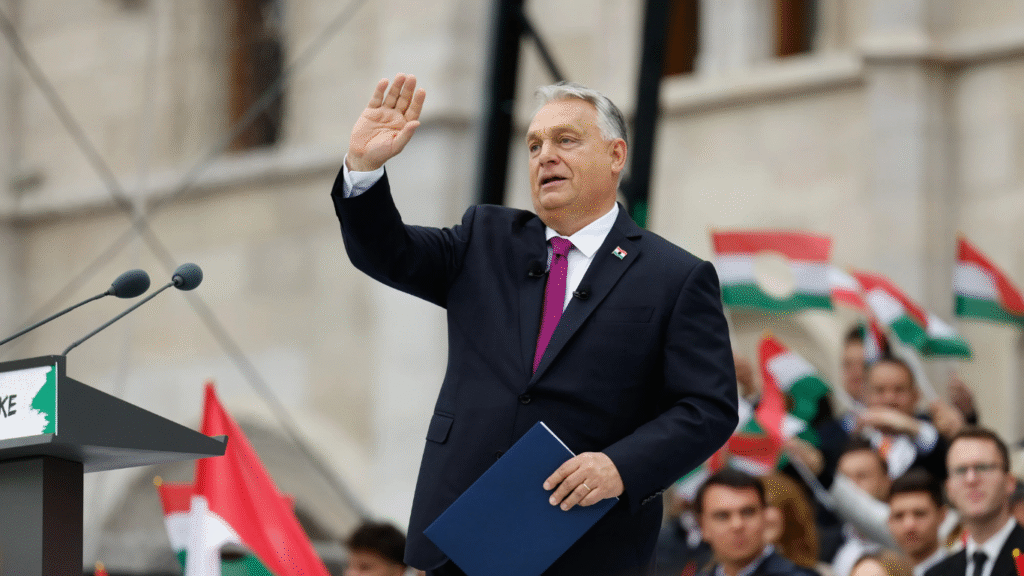
Early Life and Roots of Viktor Orbán
Viktor orbán’s story begins in the picturesque Hungarian countryside, where resilience and hard work were everyday lessons. Born on May 31, 1963, in Székesfehérvár, he spent his formative years in small villages like Alcsútdoboz and Felcsút. His father, Győző Orbán, started as an agricultural engineer in a collective farm before venturing into entrepreneurship, while his mother, Erzsébet, worked as a special education teacher. Growing up with two younger brothers, viktor orbán learned the value of community and perseverance early on—qualities that would later define his political ethos.
Life wasn’t always easy; the family faced the realities of communist-era Hungary, but viktor orbán’s optimistic spirit shone through. He excelled in sports, particularly football, playing as a midfielder for local teams and even founding a club in Felcsút later in life. This passion for the game, you might say, mirrored his approach to politics: strategic, team-oriented, and always aiming for victory. By his teens, he was already showing leadership potential, serving briefly in the Hungarian Young Communist League—not out of ideology, but as a pragmatic step toward higher education. Yet, as the winds of change swept through Eastern Europe, viktor orbán’s views evolved, setting the stage for his anti-communist activism. It’s inspiring how these rural beginnings fostered a leader who remains deeply connected to Hungary’s heartland, always looking forward with hope.
Educational Journey of Viktor Orbán
Education played a pivotal role in shaping viktor orbán into the astute politician he is today. After completing secondary school in Székesfehérvár, he pursued law at Eötvös Loránd University in Budapest, graduating with a Juris Doctor in 1987. During these years, he wasn’t just hitting the books; he immersed himself in student politics, joining intellectual circles that challenged the socialist status quo. His thesis on the Polish Solidarity movement hinted at his budding interest in democratic reforms—ideas that would soon propel him onto the national stage.
But viktor orbán didn’t stop there. In 1989, thanks to a Soros Foundation scholarship, he studied political philosophy at Pembroke College, Oxford, under the guidance of renowned thinkers. This brief stint abroad broadened his horizons, exposing him to Western democratic ideals while reinforcing his commitment to Hungary’s sovereignty. Upon returning, he dove straight into politics, armed with knowledge that blended Eastern resilience with global insights. Looking back, it’s clear that viktor orbán’s educational path wasn’t merely academic; it was a foundation for optimistic leadership, equipping him to guide Hungary through turbulent times with wisdom and foresight.
The Founding of Fidesz and Early Political Steps
Ah, the late 1980s—what a thrilling era for viktor orbán! Amid the crumbling Iron Curtain, he co-founded Fidesz (Alliance of Young Democrats) on March 30, 1988, with a group of like-minded students. Initially a radical youth movement advocating for liberalism and anti-communism, Fidesz quickly became a force for change. Viktor orbán’s fiery speech at the reburial of Imre Nagy in June 1989, demanding free elections and Soviet troop withdrawal, catapulted him to fame. It was a bold move, one that captured the nation’s hopeful spirit as communism faded.
By 1990, viktor orbán had secured a seat in the National Assembly, leading Fidesz’s parliamentary group. Under his stewardship, the party shifted from liberal roots to a center-right stance, appealing to a broader electorate. He served as chairman from 1993, navigating alliances and ideological pivots with skill. These early steps weren’t without hurdles—electoral setbacks in 1994 tested his resolve—but viktor orbán’s optimism prevailed, transforming Fidesz into Hungary’s dominant political entity. It’s a testament to how one man’s vision can ignite a movement, paving the way for a brighter Hungarian future.
Viktor Orbán’s First Term as Prime Minister
Stepping into the premiership at just 35 in 1998, viktor orbán became Europe’s youngest leader, brimming with energy and ideas. His coalition government, formed after Fidesz’s electoral win, focused on economic stabilization and integration. Inflation plummeted from 15% to under 8%, GDP growth hovered around 4-5%, and the fiscal deficit shrank—achievements that instilled hope in a post-communist nation. Hungary’s NATO accession in 1999 was a crowning moment, securing the country’s place in the Western alliance.
Yet, viktor orbán’s term wasn’t all smooth sailing. Policies like the “status law” for ethnic Hungarians abroad sparked debates with neighbors, though amendments resolved tensions. He introduced family benefits and tax cuts, laying groundwork for long-term prosperity. Despite losing in 2002 amid economic slowdowns, this period showcased viktor orbán’s ability to foster growth and unity. In hindsight, it was a promising start, proving that with determination, Hungary could thrive on the global stage.
Return to Power: Viktor Orbán’s Vision for Hungary
After years in opposition, viktor orbán’s triumphant return in 2010 marked a new chapter of optimism. Winning a supermajority amid the global financial crisis, he vowed to rebuild Hungary’s economy and assert its sovereignty. His governments since—re-elected in 2014, 2018, and 2022—have emphasized “illiberal democracy,” prioritizing national interests over liberal norms. By 2020, he became Hungary’s longest-serving prime minister, a milestone reflecting enduring public support.
Viktor orbán’s vision A strong, family-centered Hungary resilient against external pressures. He’s amended the constitution to embed Christian values and nationalism, creating a framework for sustainable progress. Even critics acknowledge his electoral prowess; in 2022, Fidesz secured 54% of votes despite challenges. As we look ahead, this vision continues to inspire, promising a Hungary that’s confident and forward-looking.
Economic Policies Under Viktor Orbán
When it comes to economics, viktor orbán has been nothing short of innovative, always with an eye toward uplifting Hungarians. His “Orbánomics” blends state intervention with market reforms, introducing a flat 16% income tax in 2011 and exemptions for under-25s in 2021. These moves spurred growth, with GDP climbing steadily post-2010 and unemployment dropping to historic lows.
- Tax incentives for families, like loan forgiveness for having children, have boosted birth rates.
- Windfall taxes on banks and energy firms funded infrastructure, from highways to stadiums.
- Early repayment of IMF loans in 2013 signaled financial independence.
Sure, inflation and EU disputes have posed bumps, but viktor orbán’s policies have kept Hungary competitive. In 2026, amid global uncertainties, his focus on affordable energy and investments—like U.S. nuclear cooperation—heralds a prosperous era. It’s this pragmatic optimism that keeps the economy humming.
| Key Economic Milestones Under Viktor Orbán | Year | Impact |
| Flat Tax Introduction | 2011 | Simplified system, increased revenue |
| IMF Loan Repayment | 2013 | Boosted national sovereignty |
| Family Tax Exemptions | 2019 | Encouraged population growth |
| Windfall Taxes on Sectors | 2022 | Funded welfare amid crises |
| U.S. Investments Surge | 2025 | Record 17 deals, economic boost |
Foreign Relations and Global Stance of Viktor Orbán
Viktor orbán’s foreign policy is a masterclass in balancing acts, always prioritizing Hungary’s interests with an optimistic outlook. He’s cultivated ties with Russia (nuclear deals), China (Belt and Road), and Turkey, while maintaining NATO commitments. His pro-peace stance on Ukraine—backing China’s plan in 2023—positions Hungary as a mediator.
In the EU, viktor orbán champions sovereignty, often vetoing policies he sees as intrusive, yet he’s secured funds for development. Relations with the U.S. flourished under Trump, with Secretary Rubio’s 2026 visit signaling a “golden era.” Looking forward, viktor orbán’s diplomacy fosters alliances that promise stability and growth for Hungary.
Social Reforms and Family Focus in Viktor Orbán’s Leadership
At the heart of viktor orbán’s agenda lies a deep commitment to family and society, radiating optimism for Hungary’s demographic future. He’s doubled family spending since 2010, offering subsidies, tax breaks, and loans for young couples. Abortion rates fell 45% through supportive measures, not bans, emphasizing choice with care.
- Exemptions for mothers with multiple children promote work-life balance.
- Education reforms integrate Christian values, preparing youth for a moral society.
- Anti-LGBT policies, like content restrictions, aim to protect traditional families.
While controversial, these reforms have slightly boosted births, signaling hope for a vibrant Hungary. Viktor orbán believes strong families build strong nations— a vision that’s already yielding fruits.
Challenges Faced by Viktor Orbán
No leader’s path is without thorns, and viktor orbán has faced his share with steadfast optimism. Democratic backsliding accusations from the EU, including rule-of-law concerns, have led to fund withholdings, but he’s navigated them by reforming where needed. Corruption allegations and media control critiques persist, yet transparency improvements are underway.
The 2015 migration crisis tested borders, prompting fences that, though divisive, secured Hungary. Economic hurdles like inflation in 2026’s run-up to elections loom, but viktor orbán’s resilience shines. He’s turned challenges into opportunities, emerging stronger each time.
Achievements and Legacy of Viktor Orbán
Viktor orbán’s legacy is one of triumph and hope. From NATO entry in 1999 to economic rebounds post-2010, his achievements abound. Hungary’s GDP growth, low unemployment, and family policies have transformed lives.
- Longest-serving PM, symbolizing stability.
- International honors, like Serbia’s Order in 2024.
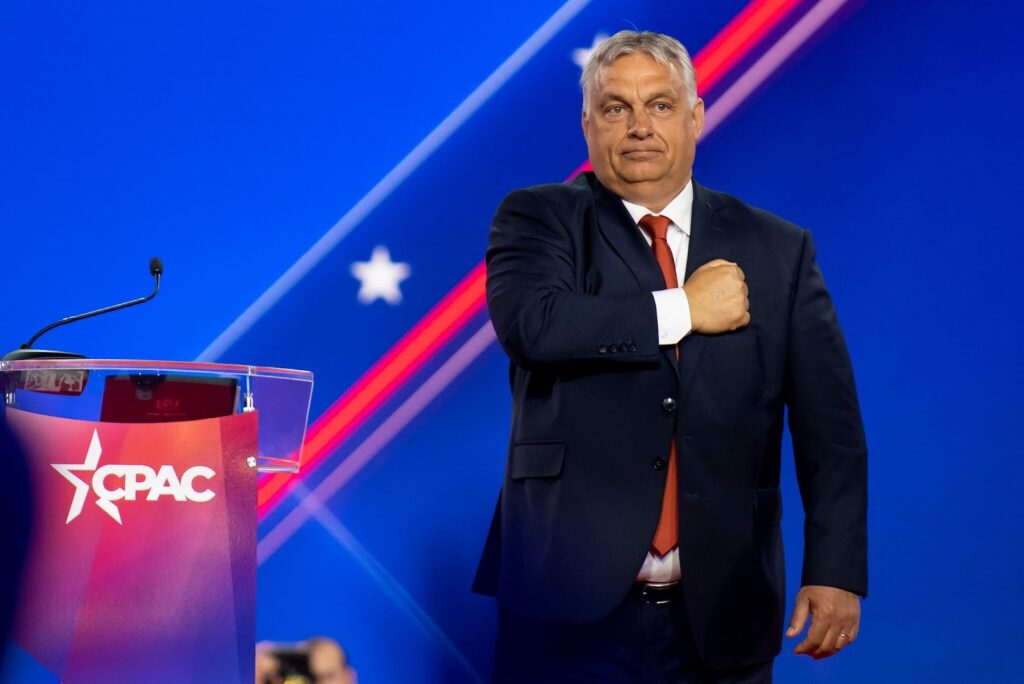
- Global influence, addressing CPAC and summits.
His optimistic governance has positioned Hungary as a beacon of sovereignty, inspiring leaders worldwide.
Viktor Orbán in 2026: Looking Ahead
As 2026 unfolds, viktor orbán stands poised for another chapter, facing April elections with confidence. Ties with Trump and Rubio bolster U.S. investments, while EU relations, though tense, show signs of thaw. Economic welfare measures continue, promising affordability amid global woes. Viktor orbán’s vision for a peaceful, prosperous Hungary remains bright, ready to tackle whatever comes next.
Fazit
In wrapping up, viktor orbán emerges as a figure of enduring optimism, guiding Hungary through eras of change with vision and vigor. From his village beginnings to global stages, he’s championed sovereignty and family, fostering a nation poised for greatness. As challenges persist, his legacy inspires hope—viktor orbán isn’t just a leader; he’s Hungary’s optimistic anchor for the future.
FAQs
Who is Viktor Orbán?
Viktor orbán is Hungary’s Prime Minister since 2010, known for his nationalist policies and long tenure.
What are Viktor Orbán’s key economic achievements?
He’s implemented flat taxes and family incentives, driving growth and reducing unemployment.
How has Viktor Orbán influenced Hungary’s foreign policy?
He’s balanced EU ties with relations to Russia, China, and the U.S., prioritizing national interests.
What social reforms has Viktor Orbán introduced?
Focus on family support, like tax breaks for parents, aiming to boost birth rates.
What challenges does Viktor Orbán face in 2026?
Elections, EU criticisms, and economic inflation, but his optimistic approach persists.